
A useful kids toothpaste sourcing brief identifies the intended market and age group, the exact product proposal, packaging requirements and the evidence needed before approval. Send these details to our factory together rather than beginning with a flavor name and a target price. Mark undecided items clearly so an initial discussion does not turn assumptions into specifications.
This guide is for overseas importers, distributors, wholesalers and private label brands preparing an inquiry. It is a purchasing document template, not a formula recommendation or an assessment of a child's dental needs. The intended age statement, ingredient specification, directions and claims need appropriate review for the actual product and destination.
1. Name the audience and the responsible reviewer
State the country of sale, channel, intended age range and the person responsible for reviewing suitability and labeling. “For kids” is too broad to communicate the intended user. If the age range is still a marketing proposal, label it provisional rather than copying a number from another product's package.
The American Dental Association's toothpaste guidance discusses age-related amounts and caregiver supervision separately from ingredient information. For a buyer, this supports keeping intended users and directions visible in the brief. It does not validate the age claim on a catalog product or replace destination-specific review. This article does not prescribe a fluoride concentration.
2. Separate product identity from requested changes
Identify an existing catalog reference or describe the proposed product in writing. List requested net content, flavor direction, appearance and packaging format. Distinguish essential requirements from preferences, and ask which options can be confirmed. A request for an ingredient exclusion should specify what the reviewer needs checked and what documentation will support the answer.
Browse our Orbit & White kids series for identifiable references. A product name or image is useful for communication, but it is not a complete specification, proof of efficacy or confirmation that the same artwork is suitable for your market.
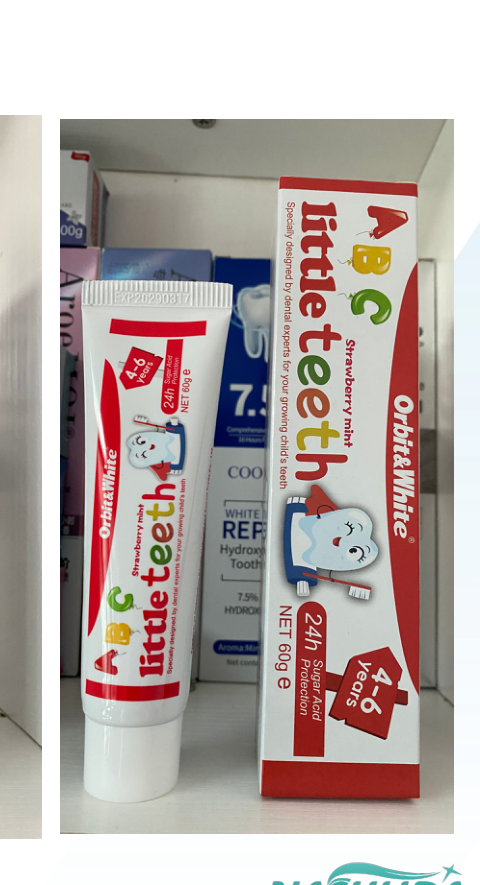
3. Complete a product-brief worksheet
Use one worksheet per proposed SKU. Add a revision date and keep supporting files under matching references. “To confirm” is preferable to filling an empty field with a competitor's concentration, age statement or test result.
| Field | Buyer input | Confirmation owner |
|---|---|---|
| Market and channel | Country, retailer or distribution route: ______ | Buyer / importer: ______ |
| Intended user | Proposed age range and review status: ______ | Appropriate product reviewer: ______ |
| Product reference | Catalog item or written formula brief: ______ | Buyer and factory: ______ |
| Ingredient requirements | Required specification and exclusions for review: ______ | Technical reviewer: ______ |
| Flavor and appearance | Preference, sample purpose and acceptance questions: ______ | Buyer: ______ |
| Packaging | Net content, format, closure, box and languages: ______ | Packaging / artwork reviewers: ______ |
| Claims and directions | Proposed wording and evidence requested: ______ | Market reviewer: ______ |
| Commercial request | Quantity per SKU and target milestone: ______ | Purchasing: ______ |
4. Request evidence with a defined purpose
Ask for the specification and ingredient-document references for the actual candidate. List any required safety, stability, microbiological, compatibility or claim-support information with its purpose and reviewer. Request confirmation of what is available and applicable, rather than assuming a generic certificate package answers every question.
For each document, record the product or formula covered, issuer, date, revision and limitations. A report on another formula or a packaging component should not be treated as evidence for the complete proposed toothpaste. If supporting information is unavailable, leave the claim or decision pending instead of presenting it as approved.
Keep terms such as “gentle,” “safe to swallow,” “cavity protection” and “dentist recommended” out of final copy unless the relevant wording and evidence have been reviewed. A pleasant flavor, bright tube or ingredient omission does not by itself establish those conclusions. Do not infer factory certification or a professional endorsement from this guide.
5. Define the sample decision before requesting samples
Write what the sample needs to demonstrate: product identity, package handling, appearance or a specific feature requiring further assessment. Ask whether it represents the proposed formula and packaging or is only a reference. Record any difference from the planned commercial configuration.
Use our sample evaluation checklist to identify samples and record observations. Keep informal appearance or handling feedback separate from safety and efficacy assessment. This worksheet does not call for unsupervised product testing with children; any intended user study needs an appropriate professionally designed process.
6. Make packaging review part of the brief
Specify the requested tube or bottle, closure, retail carton and languages. Identify who will approve the age statement, directions, warnings and claims before artwork release. Do not treat a cartoon character, fruit image or familiar cap as proof that a package is suitable for a particular age group.
Ask for the proposed pack dimensions and component references, then record what the sample actually represents. If a pack or artwork changes, revisit the affected approvals. Our artwork approval guide helps separate design acceptance from technical and market review.
7. Send a brief that can receive a clear reply
Finish with quantities per SKU, the desired milestone and a list of open decisions. Ask the factory to identify differences from your request, available proposal options, applicable minimums and what information is still needed. Keep a forecast separate from a committed order and request a dated quotation for the agreed scope.
For the wider purchasing process, see our toothpaste factory sourcing page. Send your kids toothpaste brief with the destination, intended age group, product reference, packaging requirements and reviewer questions. That gives both teams a concrete basis for the next discussion without assuming an unverified product claim or order condition.