
Evaluate toothpaste samples against a written product brief, record each sample separately, and approve only the specific features you have reviewed. Before a bulk order, make sure the sample identity, packaging version, open questions and approval decision are clear to both your purchasing team and the factory.
For overseas importers, distributors and private label brands, a sample review is a purchasing checkpoint. At NASHUDA, we recommend sending structured feedback so that the next discussion concerns specific requirements rather than a general request to make the product “better.” This guide provides a practical review sheet; sample availability and project arrangements require confirmation.
1. Decide what the sample is meant to demonstrate
Ask whether you are receiving an existing catalog item, a development sample, a packaging mock-up or a proposed production reference. These serve different purposes. A catalog sample may help you shortlist a product, but it does not automatically represent your proposed artwork or final order configuration.
Write down the decision you want to make: selecting a product, comparing two packaging formats, requesting a revision or approving an agreed configuration. List anything the sample does not represent. For example, if the tube is for reference only, leave its artwork unapproved. Our toothpaste RFQ checklist helps you prepare the brief that this review should refer back to.
2. Identify and photograph each sample on arrival
Give every sample a reference that stays with its photographs and feedback. Record the supplier reference, received date, product name, any visible batch code and the specification or artwork revision supplied with it. If an identifier is absent, ask the factory rather than inventing a batch number.
Photograph the unopened shipping package, individual pack and any visible damage. Keep observations separate from explanations: “cap cracked on arrival” is an observation; “manufacturing defect” is a cause that may still need investigation. Ask for storage and handling instructions and follow them while the review is underway.
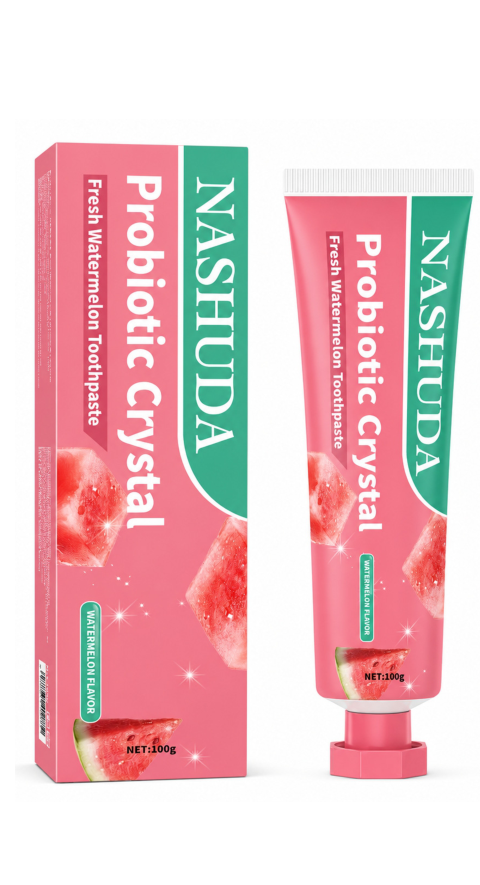
If you are selecting from the NASHUDA toothpaste collection, include the catalog name or link in your record. A product photograph helps identify an item; it does not establish its complete formula or confirm the configuration available for your order.
3. Use a separate evaluation sheet for each version
Copy this table into your purchasing record. Complete the expected requirement before recording the result, and attach a photograph or document reference where useful. Leave an item marked “not evaluated” when you lack the information or method to assess it.
| Review item | Record against your brief | Decision or follow-up |
|---|---|---|
| Sample identity | Sample ID, product reference, received date and revision | Confirm missing or conflicting identifiers |
| Pack configuration | Requested format, declared net weight, cap and individual box | List differences from the proposed order |
| Visible condition | Leaks, damage, print legibility and photographs | Ask for investigation or a replacement where needed |
| Handling | Observations about opening, closing and dispensing under the agreed review conditions | Describe the issue; avoid unsupported cause claims |
| Artwork | Design file version, languages and visible text | Separate design acceptance from market review |
| Product information | Specification and ingredient-document references received | Identify missing documents and responsible reviewer |
| Unresolved evidence | Questions requiring a report or specialist assessment | Keep pending until the evidence is reviewed |
| Final decision | Accepted scope, required changes, reviewer and date | Approve, request revision or hold |
4. Keep observations within their limits
A declared weight printed on a tube is not a measurement of its contents. Likewise, a satisfactory opening and dispensing check is not a transport test. When a feature matters to your purchase, agree what evidence or assessment is needed and who will review it.
Do not use appearance, foam or a small informal user review as proof of whitening performance, ingredient concentration, shelf life or product safety. This checklist does not establish those conclusions. Request relevant supporting information and have the appropriate reviewer assess it for the selected product and destination. A sample approval record should show these questions as unresolved until they have been addressed.
For the broader document conversation, see our supplier quality-control guide. Confirm the applicability and availability of any named document for your project; a general guide is not evidence that a particular sample has passed a test.
5. Send feedback that can be acted on
Replace vague comments with a sample reference, observed difference and requested next step. Instead of “packaging is wrong,” write “Sample [ID] has [observed cap]; our brief [revision] requests [specified cap]. Please confirm whether a revised sample can be supplied.” Use placeholders until your own observations are available.
Keep essential corrections separate from preferences. If several people review the samples, nominate one person to consolidate feedback, resolve conflicting requests and send one version to the factory. Ask which proposed changes affect the quotation, sample schedule or other specifications before accepting a revision.
6. Close the review with a written decision
Choose one clear outcome: approve the identified scope, request a revised sample, or hold while information is missing. Avoid an unqualified “approved” message when artwork, documents or packaging remain open. Record the sample ID, specification revision, approved features, outstanding items, reviewer and date together.
Agree how the reference sample and its records will be retained, and which changes require another review. A sample decision should connect to the written order specification; it does not replace checks on the eventual production batch. For the next purchasing steps, visit our factory sourcing overview.
Questions before requesting samples
How many samples should we request?
Explain the review tasks, number of reviewers and any planned external assessment. Ask the factory and any testing provider what quantities and sample conditions are needed. There is no single quantity that this purchasing checklist can prescribe for every project.
Can we approve the product while packaging is still undecided?
You can record acceptance of a clearly defined feature while keeping the packaging decision open. State exactly what is accepted and what still requires review; do not describe the whole project as approved.
Preparing a sample review? Send our factory team your destination market, product reference, requested configuration and the decisions you need the samples to support.